At UpHouse, we support and work with equity-seeking groups and we’re intentional about shaping a healthy workplace—within our walls and when we’re filming on location. We want to treat everyone equitably here, no matter their size, shape, ability, race, gender or sexuality.
This guide will go over some general best practices for inclusive marketing then dive into what makes an inclusive experience for specific communities.
While part of understanding the lived experiences of these communities includes learning about challenges and unfair treatment they experience, it’s important to remember these are all vibrant communities and people are all unique. A general growth mindset and curiosity will take you a long way to being approachable and meeting different people’s needs.
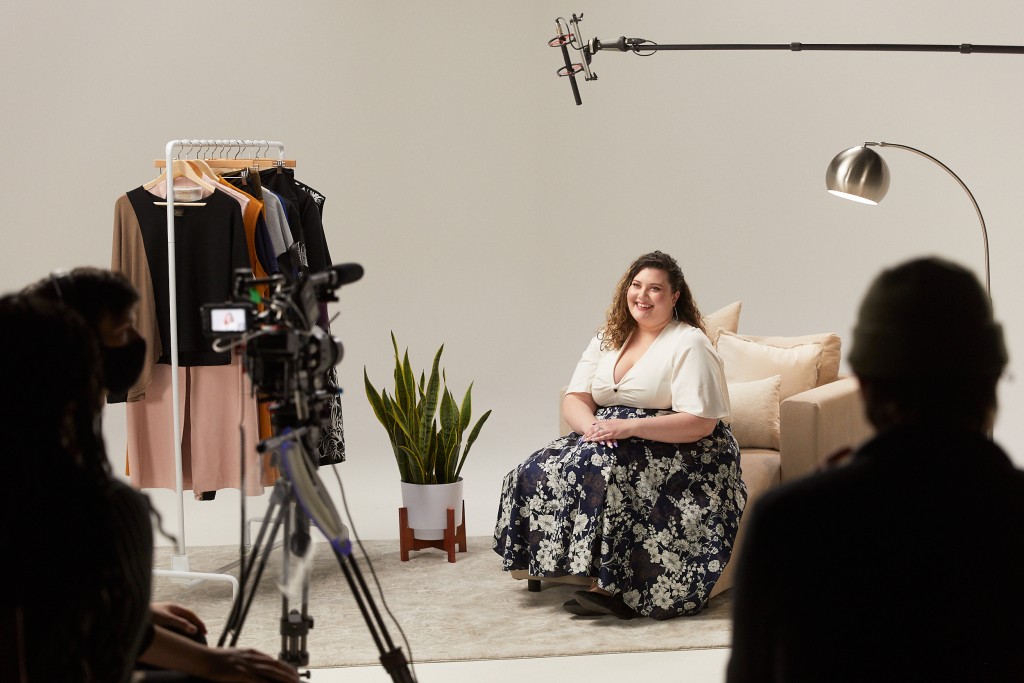
What Is Inclusive Marketing?
At UpHouse, inclusivity isn’t something we make optional or add on to select projects—it’s an integral part of everything we do. As a woman- and queer-owned agency, we know what it feels like to be othered, mis- or under-represented. So, to do things differently is at the core of who we are. But it’s not just for the communities we’re a part of—nor just any one under-recognized group. People aren’t just one thing; we all have intersecting identities that affect how we move through and interact with the world around us.
For UpHouse, inclusive marketing means as many people as possible feel seen and positively represented in the work we do. This not only fosters authentic and meaningful connections with audiences—it also ensures the brands we work with connect with as many audiences as possible.
Where Does Inclusive Marketing Start?
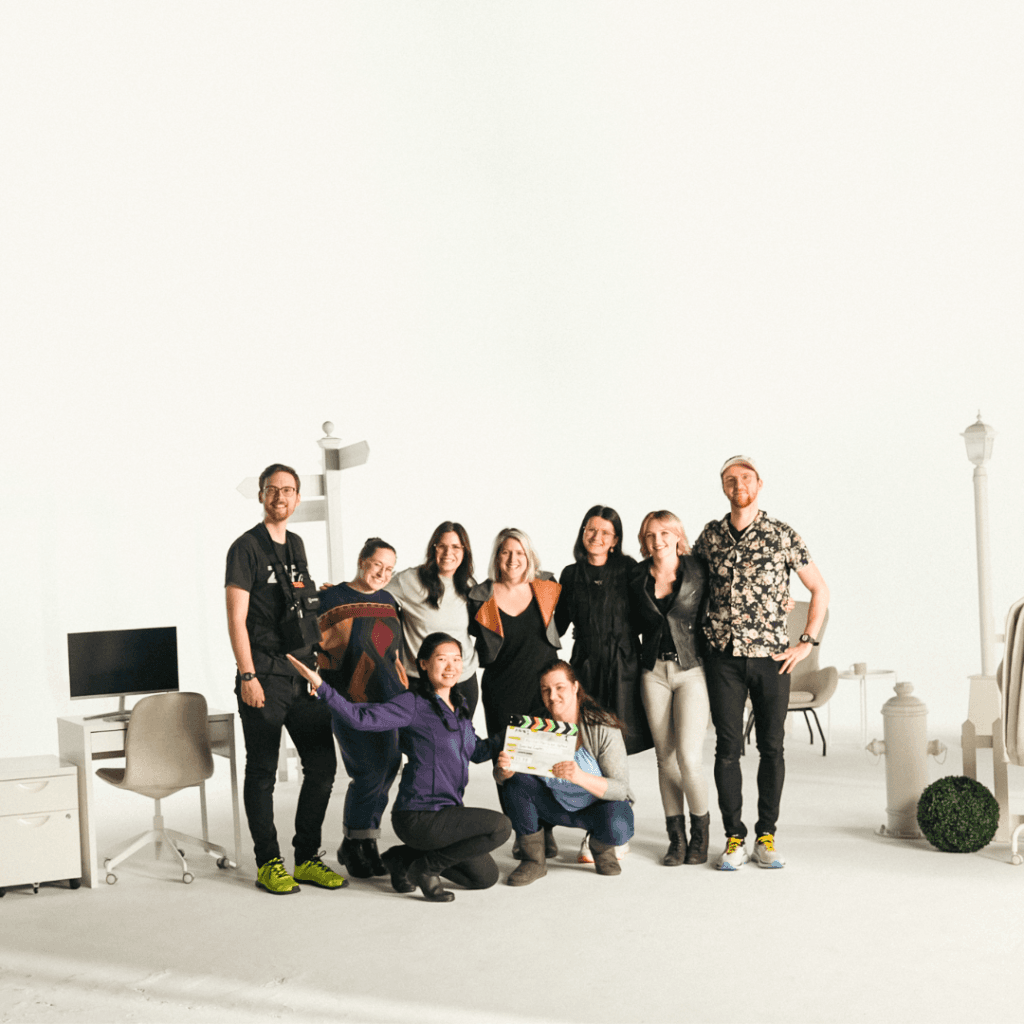
Inclusive marketing begins with the people doing the work. We believe bringing diverse perspectives to the table is the best way to come up with powerful ideas—ideas that would otherwise never surface. However, this can only happen in an environment where people feel supported and safe enough to share ideas informed by their lived experiences. Creating meaningful, authentic marketing means doing the work to include traditionally under-recognized and excluded folks, making them feel safe and seen behind-the-scenes as well as in the final product.
Creating an Inclusive Space
There’s lots to consider when it comes to equitable treatment of equity-deserving groups, so we’ve done our best to cover the basics of working with these communities. That being said, it’s always important to ask individuals what they want and need to feel comfortable. Everyone has their own unique values and boundaries!
- Be Kind and Considerate: Say hello and introduce yourself with your name and pronouns! Avoid going in for a handshake—not everyone feels comfortable or safe shaking hands.
- Practice Consent: It’s important to respect people’s boundaries and personal space. If a task requires you to touch someone’s hair, move their mobility aid, get close to them to mic them up or adjust a piece of clothing, explain the task and ask if it’s okay first.
- When in Doubt, Ask Questions: If you need clarification on something, whether it’s someone’s pronouns, how to pronounce their name or if they require any accommodations to perform a specific task, politely ask them instead of making assumptions.
- Respect People’s Identifiers: Sometimes, people hold negative associations with qualities that face discrimination. These associations aren’t rooted in truth—they are a product of societal power structures. For example, if someone proudly refers to themselves as “fat,” “disabled” or “queer,” that is their right. Don’t condemn or deny their use of these words—that reinforces the idea that it’s “bad” to be that way. We want everyone to feel accepted and comfortable to come as they are.
- A Note on Reclaiming Language: Sometimes, people belonging to marginalized groups may use slurs that have historically been used against them. Reclaiming those words is an act of defiance against the power structures that harm them. We respect their right to reclaim that language, but if you are not a member of that marginalized group, those are not your words to use.
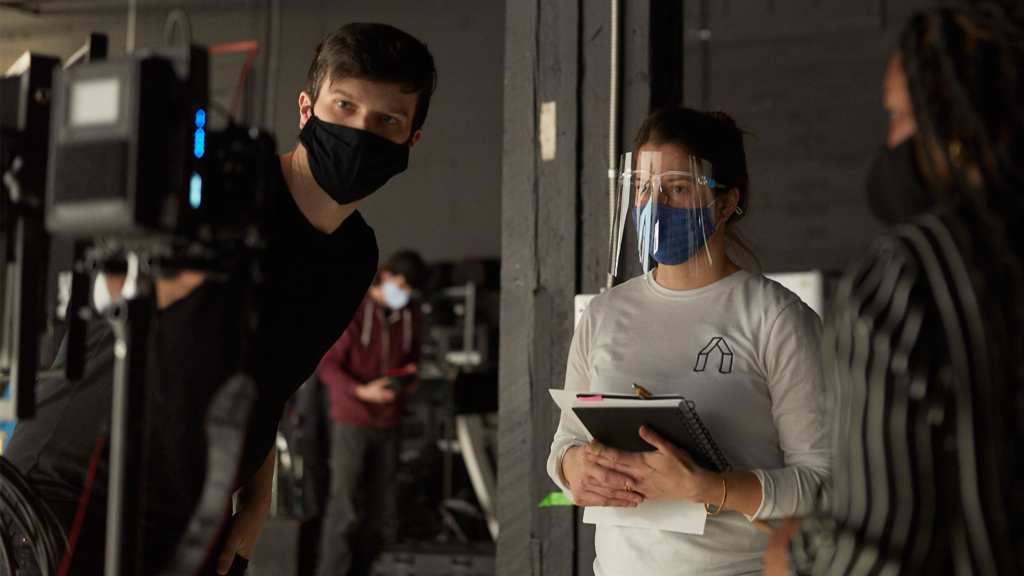
Anne Mulaire_InclusiveSizingBTS
Important Concepts to Understand
- Consent is permission for something to happen. It is freely given, reversible, informed, engaged and specific to one instance.
- Tokenism is when a person or people from minority groups are used to help a larger group appear more diverse or inclusive, without being a genuine reflection of a wider trend of inclusivity or without dignity or supports baked into their experience.
- Microaggressions are indirect, subtle acts of discrimination against members of a marginalized group. Unlike overt discrimination, people committing microaggressions may not be aware of the harm in their actions—however, they are sometimes intentionally harmful. For example, asking someone “Where are you from?” simply because they don’t appear to be white or telling a person they don’t “seem” gay.
- Intersectionality is the way that race, sexuality, ability, size and gender can overlap, creating interdependent systems of discrimination or disadvantage. If someone experiences multiple forms of exclusion—for example, a Black trans woman or an Indigenous disabled man—they are subject to more sources of discrimination and the harm they endure is magnified.
Let’s Create Safer Spaces Together
For marginalized folks, having to educate people on discrimination over and over again is exhausting. When we work together to actively learn, listen and strive to do better, we can create healthier environments where everyone can flourish.
To be supportive allies, we need to listen to folks with lived experience and believe them. You may not fully understand the barriers they encounter, but by acknowledging and valuing their lived experience, it is easier to recognize when people cause harm—whether intentional or not—and put a stop to it.
Learning about these difficult issues and acknowledging past mistakes can sometimes be uncomfortable. But experiencing that discomfort can be a good thing! When you feel challenged, don’t recoil or avoid confrontation—try to stop and reflect, and soon, you’ll feel more comfortable when faced with the uncomfortable.
While we can’t guarantee that our spaces will always be safe for every person who enters them (either in-person or virtually), we can strive to create safer spaces that are rooted in inclusivity and understanding.
Working With Black Talent and Collaborators
When working with Black talent and collaborators, it’s essential to recognize the history of discrimination their community has endured and the current obstacles they still encounter every day. Here are some common examples of unfair treatment that Black folks continue to experience:
- Pressure to conform to Eurocentric beauty standards, such as hiding or modifying their natural hairstyles.
- Racist stereotyping and tokenism, especially in entertainment and creative industries.
- Language and tone policing: people may label assertiveness and confidence as aggression or sass, consider cultural dialects to be “low class” or associate a neutral accent or cultural dialect with “acting white.”
Important Concepts to Understand
- Black isn’t a bad word; it deserves a capital “B!” Colours aren’t capitalized but proper names of nationalities and peoples are. This recognizes the humanity and culture of the people in the group being referred to.
- Anti-Black racism refers to beliefs, attitudes, prejudice, stereotyping and/or discrimination towards people of Black-African descent and how that is ingrained in the policies and practices of various institutions.
Things to Be Mindful of on Set
- The Black community has a diverse variety of beauty needs, like products for hair and skin, and specialized styling techniques. Be prepared to apply products formulated for darker skin and work with textured hair ranging from types 3A to 4C (and everything in between).
- Curious strangers often touch Black people’s hair without gaining consent. This is an invasive yet all too common occurrence. Nobody should touch anyone’s hair unless their job requires it, and not without asking first.
- We don’t want to perpetuate stereotypes. Creative directors shouldn’t pressure Black performers to lean into racist tropes like “angry” or “sassy.”
Additional Reading
How Hair Discrimination Affects Black Women at Work | Black-Authored Makeup Books You Should Read | 4 Types of Racism | Anti-Black Racism: A Glossary of Terms | A Brief Rundown of Racism in Advertising and Why It’s Still Happening Today | Black Representation in Film and TV: The Challenges and Impact of Increasing Diversity | The Myth of Reverse Racism
Working With Indigenous Talent and Collaborators
When working with Indigenous talent and collaborators, it’s essential to recognize the history of discrimination their community has endured, the ongoing harms inflicted through colonization and the obstacles they encounter day to day.
Here are some common examples of unfair treatment that Indigenous folks continue to experience:
- Usage of outdated, inappropriate terms to describe Indigenous groups, including place names that use derogatory terms.
- Racist stereotyping and tokenism, especially in entertainment and creative industries.
- Labelling Indigenous success stories as “rags to riches” or “coming from nothing.” An Indigenous person’s home and culture is not “nothing.”
- The insinuation that government assistance or reparations for past harms are “handouts.”
- Overrepresentation of Indigenous people in our foster care and prison systems, and the systemic separation of Indigenous families.
- Language and tone policing: people may consider cultural dialects to be “low class” or indicative of a lack of education, or they may associate a neutral accent or cultural dialect with “acting white.”
- People falsely claiming Indigenous identity, taking away opportunities for Indigenous people to lead important conversations and hold positions of influence.
- Underrepresentation of Indigenous people in corporate environments, within the media and in decision-making positions.
Important Concepts to Understand
- Indigeneity doesn’t look one way. There are over 630 First Nations communities in Canada, each with their own histories and traditions, and over 50 Indigenous languages.
- Two-Spirit is a term exclusive to Indigenous populations that refers to cultural, spiritual, sexual or gender identity. While the “2S” in 2SLGBTQIA+ stands for Two-Spirit, it’s important to keep in mind that it goes beyond Western and binary understandings of gender and sexual orientation. Historically, Two-Spirit people have been highly regarded as spiritual leaders within many different Indigenous groups, but the Canadian government forced them to hide their identities and assimilate to colonial values.
Things to Be Mindful of on Set
- Many Indigenous groups consider their hair to be sacred. Long hair and braids are significant to who they are as individuals and represent connections to their families and communities. If you are styling an Indigenous person’s hair, ask them what they’re comfortable with and honour their wishes if they do not want it styled in certain ways.
- The media often portrays Indigenous people as caricatures of their culture, ignoring the sacred or ceremonial significance of certain items of dress. When costuming Indigenous talent for a production, don’t rely on Hollywood tropes—consult with the individual about any elements of their culture that they’d like to incorporate and provide a variety of contemporary dress options for them to choose from.
- We don’t want to perpetuate stereotypes. Creative directors shouldn’t pressure Indigenous performers to lean into racist tropes like “mysterious” or “stoic.”
A Note on Reclaiming Language
Throughout Canada’s history, many different terms have been used to describe or identify Indigenous peoples. Currently, the terms “Indigenous” and “First Nations” are appropriate in most contexts; Inuit are not considered First Nations. However, some Indigenous people may self-identify with terms like “Native” or “Indian.”
Sometimes, people belonging to marginalized groups may use outdated terms or slurs that have historically been used against them. Reclaiming those words is an act of defiance against the power structures that harm them. We respect their right to reclaim that language, but if you are not a member of that marginalized group, those are not your words to use.
Additional Reading
Truth and Reconciliation Commission of Canada: Calls to Action | UpHouse Study: 3 Best Practices for Working with Indigenous Organizations | Story by Story, Canada’s News Media Built Indigenous Oppression | The History of Indigenous Representation in Film and Television | Re-Emergence (Two-Spirit documentary/Documentaire bispirituel) | Common portrayals of Indigenous people
Working With BIPOC Talent and Collaborators
When working with BIPOC (Black, Indigenous and People of Colour) talent and collaborators, it’s essential to recognize the history of discrimination their communities have endured and the obstacles they encounter day to day. It’s also important to recognize the diversity within and across these groups.
Here are some common examples of unfair treatment that BIPOC folks continue to experience:
- Usage of outdated, inappropriate terms to describe ethnic groups.
- Racist stereotyping and tokenism, especially in entertainment and creative industries.
- Language and tone policing: people may consider cultural dialects to be “low class” or indicative of a lack of education, or they may associate a neutral accent or cultural dialect with “acting white.”
- Underrepresentation of BIPOC talent in the media and BIPOC characters being portrayed by white actors.
- Assumption of personality traits about a person based on their skin colour or cultural background without getting to know the person as an individual.
- Assumption or outright denial of the ethnicity of people from mixed backgrounds because they have physical features commonly associated with white communities.
- Standards of beauty based on Western, Eurocentric features and media depictions of villainous characters with features associated with various BIPOC communities.
Remember: no community is a monolith! Everyone has values and experiences that are uniquely their own; we can’t assume how someone may think or feel based on their cultural background.
Important Concepts to Understand
- BIPOC (pronounced “bye-pock”) is an umbrella term that stands for Black, Indigenous and People of Colour. It’s used to describe racialized groups who are often underrepresented and face discrimination in Western society. These include Black, Indigenous, South Asian, East Asian, Pacific Islanders, Latine, Middle Eastern and other communities. Many BIPOC people also come from mixed backgrounds. While there are BIPOC folks who self-identify with the term, not everyone does, so it’s important to refer to people with the words they use to describe themselves.
- Try to be specific when speaking about a person or community, especially when referencing specific histories, challenges and perspectives. Generalizing can have the adverse effect of erasing a community’s uniqueness.
- Racialization refers to how certain groups of people are designated as being part of a specific race and as a result are subjected to unequal treatment.
Things to Be Mindful of on Set
- Hair, clothing, tattoos and makeup practices around the world are incredibly diverse! Some communities may hold special cultural or spiritual significance to the ways they style themselves. When styling BIPOC talent, ask if there are any considerations or boundaries you should be aware of, so you can ensure they feel comfortable and confident with their finished look.
- The media often portrays BIPOC people as caricatures of their culture, ignoring the sacred or ceremonial significance of certain items of dress. When costuming BIPOC talent for a production, don’t rely on Hollywood tropes—consult with the individual about any elements of their culture they’d like to incorporate and provide a variety of contemporary dress options for them to choose from.
- We don’t want to perpetuate stereotypes. Creative directors shouldn’t pressure BIPOC performers to lean into racist tropes reinforced by the media.
Working With Disabled Talent and Collaborators
When working with disabled talent and collaborators, it’s essential to recognize the history of discrimination their community has endured and the current obstacles they encounter day to day.
Here are some common examples of unfair treatment that people with disabilities continue to experience:
- The systemic ableism ingrained in society that prevents disabled people from fully participating.
- Unemployment or underemployment due to discrimination and inaccessible workplaces.
- Government assistance programs providing inadequate financial support that hasn’t kept up with inflation.
- Entertainment and creative industries relying on ableist tropes and stereotypes.
- Inaccurate assumptions about what people with disabilities can do and understand.
- Underrepresentation of disabled talent in the media and disabled characters being portrayed by non-disabled actors.
Important Concepts to Understand
- Ableism is the discrimination and prejudice against people with disabilities. It can be as subtle as hosting an event in a space with no wheelchair access or as overt as using ableist slurs.
- Person-first language is a way to describe someone that puts the person before their disability. For example, “person with a disability.”
- Identity-first language is a way to describe someone that highlights how their disability impacts every aspect of their life. For example, “disabled person.”
- Inspiration porn is a term coined by disability activist Stella Young and refers to the objectification of disabled people for the benefit of non-disabled people. (In other words, non-disabled people using people with disabilities to feel better about themselves.) A person isn’t inspiring for simply doing everyday tasks like going grocery shopping or driving with a disability.
Disabled isn’t a bad word (which is why we alternate between identity-first and person-first language in this guide) but if someone refers to themself with person-first language, use that when speaking about them.
Things to Be Mindful of on Set
- Ask if someone needs help before doing so and avoid touching them or their mobility aid without consent.
- If you are unsure if someone will be able to perform a task, ask them instead of making assumptions.
- Ensure everyone, especially those using mobility aids, can navigate safely around the space without tripping, falling or bumping into things.
- When speaking with someone using a wheelchair for more than a few minutes, find somewhere to sit so the person you’re speaking with is at eye level.
- Bathrooms should be both accessible and gender-inclusive.
- Speak directly to the person you’re communicating with, not their interpreter or support person.
- If someone has a service animal, don’t interact with or distract the animal in any way.
- Consider how you’re framing the stories of people with disabilities and ensure you’re not encouraging ableist tropes, stereotypes or “inspiration porn.”
Additional Reading
How to talk about disability sensitively and avoid ableist tropes | 10 things not to say to someone with a disability | Ableism 101 | Common Portrayals of Persons with Disabilities | The Social Model of Disability Explained | Attitudes and assumptions about disability | Twenty years of marriage equality? No, not for disabled Ontarians | “Nothing About Us Without Us” – Disability Representation in Media
Working With 2SLGBTQIA+ Talent and Collaborators
When working with 2SLGBTQIA+ talent and collaborators, it’s essential to recognize the history of discrimination their community has endured and the current obstacles they still encounter every day.
Here are some common examples of unfair treatment that 2SLGBTQIA+ folks continue to face:
- Being expected to conform to binary gender roles and expressions.
- Homophobic and transphobic stereotyping and tokenism, especially in entertainment and creative industries.
- Usage of outdated or harmful terms referring to 2SLGBTQIA+ people.
- Politicians and other public figures spreading misinformation and harmful narratives, especially around trans and gender-diverse people.
- Trans and gender-diverse people experiencing elevated rates of unemployment, poverty and workplace harassment because of pervasive transphobia.
- Receiving inadequate care and/or experiencing discrimination in healthcare settings.
- Entertainment and creative industries profiting off Black and Latine ballroom communities without acknowledging their influence on popular culture.
- Intersex, asexual, bisexual or pansexual communities or anyone else who doesn’t fit into 2SLGBTQIA+ stereotypes needing to “prove” who they are by sharing personal information.
- Experiencing harassment or violence when expressing affection for their partner in public places and in gendered spaces like bathrooms, especially if someone doesn’t conform to binary gender expectations.
Check out the PFLAG Glossary in the Additional Reading list at the end of this section if there are any other terms or concepts you’re curious or unsure about.
Important Concepts to Understand
- Misgendering is when someone is called a name or word that does not align with their gender. For example, using incorrect pronouns and gendered terms like ma’am or sir or assuming the gender of a group of people and using a gendered term to describe everyone. Misgendering can be done intentionally or unintentionally, but it is harmful either way.
- Outing is when someone’s gender or sexual orientation is shared with people they did not consent to share that information with. It is always up to that person to decide when and where they feel comfortable and safe doing so.
- Gender dysphoria is when someone feels a sense of unease and conflict around what they know their gender to be and the sex they were assigned at birth. While not every trans or gender-diverse person experiences this, it can be very distressing.
- Gender euphoria is when someone feels a sense of joy, comfort and confidence around their gender expression.
Things to Be Mindful of on Set
- Trans and gender-diverse talent may have specific makeup, hair or wardrobe requirements to feel gender euphoria. If you’re not sure, ask.
- Focus on clothing measurements instead of describing it as “men’s” and “women’s.”
- It’s best not to assume everyone you meet is cisgender and heterosexual.
- Gender-inclusive language needs to be used consistently, not just when trans or gender-diverse folks are around to hear it.
- Ensure there are accessible and gender-inclusive bathrooms everyone can use.
Working With Neurodivergent Talent and Collaborators
When working with neurodivergent talent and collaborators, it’s essential to recognize the history of discrimination their community has endured and the current obstacles they still encounter every day.
Here are some common examples of unfair treatment that neurodivergent folks continue to face:
- Barriers to accessing a formal diagnosis and support, especially in adulthood, due to things like gender and racial biases, prohibitive costs, stigma and inaccessible assessments.
- Unemployment or underemployment due to discrimination and inaccessible workplaces.
- Media focusing on stereotypes and tropes that don’t reflect the lived experiences of neurodivergent folks.
- Social isolation and loneliness, especially during adolescence.
Important Concepts to Understand
- Neurodivergent describes a person who learns, communicates, socializes or perceives their surroundings in ways that differ from neurotypical people. This is an umbrella term that can include conditions like autism, ADHD, dyslexia, Tourette syndrome and OCD.
- Neurodiversity refers to the unique ways people’s brains work.
- Neurotypical refers to a person who thinks and processes information in ways that are considered typical according to social norms.
- Masking refers to the act of concealing neurodivergent traits to appear neurotypical.
- Sensory overload is when someone’s brain is overwhelmed with sights, sounds, smells, tastes and touch.
- Auditory processing disorder (APD) impacts people’s ability to understand auditory information. Their hearing is not impaired and they may appear to be engaging a conversation, but their brain is unable to process sounds like neurotypical people’s brains do. This is common in people with dyslexia, dyspraxia, ADHD or autism.
Things to Be Mindful of on Set
- Ensure neurodivergent talent and collaborators have a detailed breakdown of how the shoot day will look, when things are happening and what is expected from them, ideally prior to arriving on set.
- Provide a low-sensory space where neurodivergent talent and collaborators can go if they’re feeling overwhelmed or overstimulated. For example, a quiet room with soft lighting and comfortable seating options.
- Be specific and direct when giving direction or instructions to neurodivergent talent and collaborators.
- Ask neurodivergent talent and collaborators how they’d like to receive feedback, instruction or direction. Some folks may prefer visual or written communication they can refer back to, and others may prefer verbal communication.
- Normalize stimming (also known as self-stimulatory behavior) as a valid form of self-expression and emotional regulation.
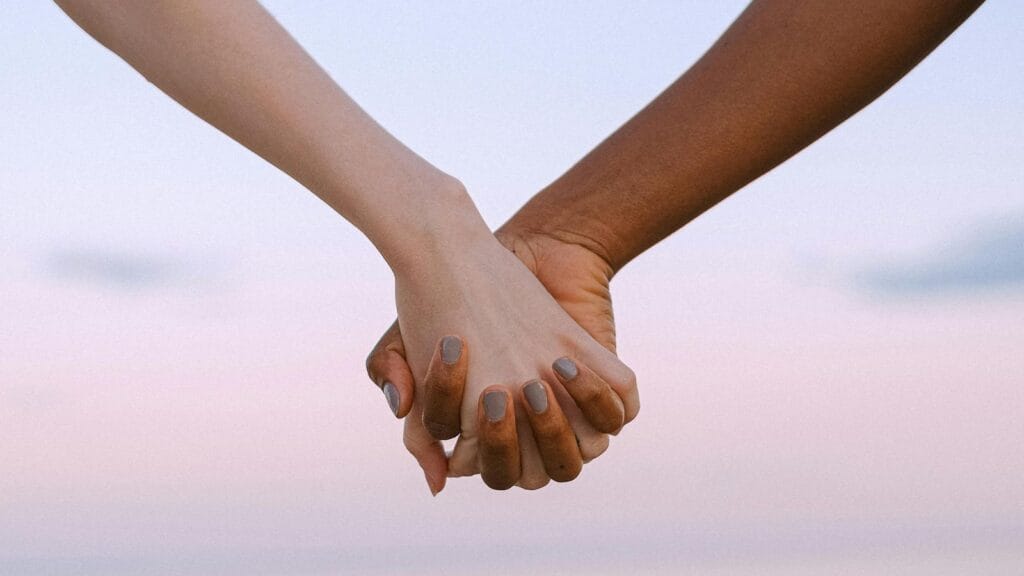
Some Final Considerations
If you’re new to exploring inclusive marketing, don’t get hung up on doing it perfectly. That’s what we’re here for! (Just kidding.) You won’t ever get it perfectly right, but you can be proud of the progress you’ve made and for striving to be more inclusive.
Here are some things to keep in mind when beginning this journey:
Perfection often gets in the way of progress. You don’t need to be an inclusive marketing expert to begin implementing inclusive marketing practices. It’s better to start small than continue with marketing or behaviour that excludes or even harms people.
Stay curious. Inclusive marketing principles and language are constantly evolving and what was considered inclusive a few years ago may no longer be today. We’re all constantly learning and that’s okay. Just keep being ready and willing to do the work. When we know better, we do better.
It’s okay to ask for help. It can feel overwhelming when you don’t know where to begin with inclusive marketing, but we’re here to help! You’re not alone, and we’re here to help everyone succeed in meeting people’s needs, adjusting, unlearning and re-learning along the way.